
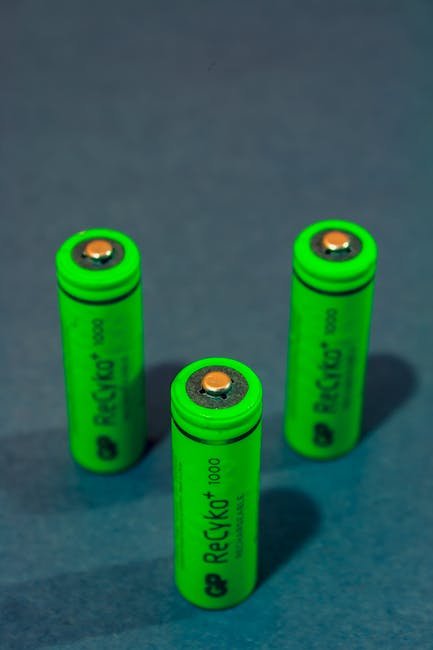
Reduce Electricity Bills with Green Gadgets: A Comprehensive Guide
The escalating cost of electricity is a growing concern for households worldwide. Fortunately, advancements in technology have yielded a plethora of “green gadgets” – energy-efficient devices designed to minimize consumption and, consequently, lower your electricity bills. Investing in these gadgets isn’t just beneficial for your wallet; it’s also a step towards a more sustainable future. This article provides a detailed overview of various green gadgets, their benefits, and how to effectively integrate them into your home.
Smart Thermostats: Optimizing Home Heating and Cooling
Smart thermostats are arguably the most impactful green gadget for energy savings related to heating and cooling, which typically accounts for a significant portion of a household’s electricity bill. These devices learn your heating and cooling preferences and automatically adjust the temperature based on your schedule, occupancy, and even the weather forecast.
- Key Features:
- Learning Algorithms: Smart thermostats analyze your temperature adjustments over time to create a personalized heating and cooling schedule.
- Geofencing: Using your smartphone’s location, the thermostat can detect when you’re away and automatically lower the temperature, and then pre-heat or cool the house before you arrive home.
- Remote Control: Control your thermostat from anywhere using a smartphone app, allowing you to adjust the temperature even when you’re not at home.
- Energy Reports: Smart thermostats provide detailed reports on your energy usage, highlighting periods of high consumption and offering suggestions for improvement.
- Integration with Smart Home Systems: Many smart thermostats integrate seamlessly with other smart home devices, such as smart lighting and voice assistants like Amazon Alexa and Google Assistant.
- Benefits:
- Significant Energy Savings: By optimizing heating and cooling schedules, smart thermostats can reduce energy consumption by 10-20% annually.
- Increased Comfort: Consistent temperature control ensures a comfortable living environment.
- Convenience: Remote control and automation simplify temperature management.
- Reduced Carbon Footprint: Lower energy consumption translates to a smaller carbon footprint.
- Examples: Nest Learning Thermostat, Ecobee SmartThermostat, Honeywell Home T9 Smart Thermostat.
LED Lighting: Illuminating Your Home Efficiently
Switching to LED (Light Emitting Diode) lighting is a simple yet highly effective way to reduce electricity consumption. LEDs are significantly more energy-efficient than traditional incandescent bulbs and even compact fluorescent lamps (CFLs).
- Key Features:
- Energy Efficiency: LEDs consume up to 75% less energy than incandescent bulbs.
- Long Lifespan: LEDs can last for 25,000 hours or more, significantly longer than incandescent bulbs (around 1,000 hours) and CFLs (around 8,000 hours).
- Versatility: LEDs are available in a wide range of colors, brightness levels, and styles, making them suitable for various applications.
- Instant On: LEDs turn on instantly, unlike CFLs, which may take a few seconds to reach full brightness.
- Environmentally Friendly: LEDs do not contain mercury, a hazardous substance found in CFLs.
- Benefits:
- Lower Electricity Bills: Reduced energy consumption translates to significant savings on your electricity bill.
- Reduced Maintenance: Longer lifespan means fewer bulb replacements.
- Improved Lighting Quality: LEDs provide bright, consistent light.
- Environmentally Friendly: Lower energy consumption and the absence of mercury make LEDs a more sustainable lighting option.
- Examples: Philips LED bulbs, Cree LED bulbs, GE LED bulbs. Consider smart LED bulbs for even greater control and energy saving possibilities.
Smart Power Strips: Eliminating Phantom Loads
Many electronic devices continue to draw power even when they are turned off. This “phantom load” or “vampire power” can account for a surprisingly large portion of your electricity bill. Smart power strips are designed to eliminate phantom loads by automatically cutting power to devices that are not in use.
- Key Features:
- Master Outlet: A master outlet detects when a device is turned off and automatically cuts power to the other outlets on the power strip.
- Timer-Based Control: Some smart power strips allow you to set timers to automatically turn off devices at specific times.
- Remote Control: Control your smart power strip from anywhere using a smartphone app.
- Energy Monitoring: Some smart power strips provide detailed reports on the energy consumption of connected devices.
- Benefits:
- Reduced Phantom Loads: Eliminating phantom loads can save a significant amount of energy.
- Convenience: Automatic power control simplifies energy management.
- Extended Device Lifespan: Reducing phantom loads can help extend the lifespan of your electronic devices.
- Fire Safety: Cutting power to unused devices reduces the risk of electrical fires.
- Examples: Belkin Conserve Switch Surge Protector, TrickleStar Advanced Power Strip, Wattstopper LVS102-W Smart Strip.
Energy-Efficient Appliances: Upgrading for Savings
Old appliances can be significant energy hogs. Upgrading to Energy Star certified appliances can drastically reduce your electricity consumption.
- Refrigerators: Energy Star certified refrigerators use significantly less energy than older models, often with improved insulation and more efficient compressors. Look for models with adaptive defrost and adjustable shelves for optimal energy savings.
- Washing Machines: Front-loading washing machines are generally more energy-efficient than top-loading models. Look for Energy Star certified models with features like cold water washing and load sensing.
- Dishwashers: Energy Star certified dishwashers use less water and energy than standard models. Look for models with soil sensors and efficient drying options.
- Dryers: Consider ventless dryers, which recirculate warm air instead of venting it outside. Look for Energy Star certified models with moisture sensors to prevent over-drying.
- Ovens: Self-cleaning ovens can be energy intensive. Look for models with convection cooking, which can reduce cooking time and energy consumption.
Water Heating Solutions: Minimizing Water Heating Costs
Water heating is another significant energy consumer in most households. Investing in energy-efficient water heating solutions can significantly reduce your electricity bills.
- Tankless Water Heaters: Tankless water heaters, also known as on-demand water heaters, heat water only when it’s needed, eliminating the standby heat loss associated with traditional water heaters.
- Heat Pump Water Heaters: Heat pump water heaters are significantly more energy-efficient than traditional electric water heaters. They use a heat pump to transfer heat from the surrounding air to the water tank.
- Solar Water Heaters: Solar water heaters use solar panels to heat water, providing a renewable energy source for water heating.
- Low-Flow Showerheads and Faucets: Low-flow showerheads and faucets reduce water consumption without sacrificing water pressure, saving both water and energy.
Home Energy Monitors: Understanding Your Energy Consumption
Home energy monitors provide real-time data on your energy consumption, allowing you to identify energy hogs and track your progress in reducing energy usage.
- Key Features:
- Real-time Energy Data: Provides real-time data on your energy consumption, including kilowatt-hours (kWh) and cost.
- Historical Data Tracking: Tracks your energy consumption over time, allowing you to identify trends and patterns.
- App-Based Monitoring: Allows you to monitor your energy consumption from anywhere using a smartphone app.
- Alerts and Notifications: Sends alerts and notifications when your energy consumption exceeds a certain threshold.
- Benefits:
- Increased Awareness: Provides a clear understanding of your energy consumption patterns.
- Identification of Energy Hogs: Helps you identify appliances and devices that are consuming excessive energy.
- Tracking Progress: Allows you to track your progress in reducing energy usage.
- Informed Decision-Making: Provides data to support informed decisions about energy efficiency upgrades.
- Examples: Sense Energy Monitor, Emporia Vue Energy Monitor, Curb Energy Monitor.
Smart Irrigation Systems: Efficient Water Usage for Landscaping
For homeowners with gardens or lawns, smart irrigation systems can significantly reduce water consumption and, indirectly, electricity costs if your well pump consumes electricity.
- Key Features:
- Weather-Based Scheduling: Adjusts watering schedules based on real-time weather data.
- Soil Moisture Sensors: Monitors soil moisture levels and adjusts watering schedules accordingly.
- Remote Control: Control your irrigation system from anywhere using a smartphone app.
- Zone-Based Watering: Allows you to customize watering schedules for different zones in your yard.
- Benefits:
- Reduced Water Consumption: Optimizes watering schedules to reduce water waste.
- Improved Plant Health: Ensures plants receive the right amount of water.
- Convenience: Remote control and automation simplify irrigation management.
- Examples: Rachio Smart Sprinkler Controller, Orbit B-hyve Smart Flood Sprinkler Timer, Rain Bird ST8I Smart Irrigation Timer.
Window Films: Improving Insulation and Reducing Solar Heat Gain
Window films can improve the insulation of your windows and reduce solar heat gain, helping to regulate indoor temperatures and reduce the need for heating and cooling.
- Key Features:
- Insulation: Helps to reduce heat loss in the winter and heat gain in the summer.
- UV Protection: Blocks harmful UV rays, protecting furniture and flooring from fading.
- Glare Reduction: Reduces glare from sunlight, improving visibility and comfort.
- Privacy: Provides increased privacy by making it more difficult to see inside your home.
- Benefits:
- Reduced Energy Consumption: Helps to regulate indoor temperatures, reducing the need for heating and cooling.
- Increased Comfort: Improves indoor comfort by reducing drafts and glare.
- Protection of Furniture and Flooring: Protects furniture and flooring from fading due to UV rays.
- Examples: 3M Window Film, Gila Window Film, LLumar Window Film.
By strategically incorporating these green gadgets into your home, you can significantly reduce your electricity bills while contributing to a more sustainable future. Remember to research and compare products carefully to choose the gadgets that best suit your needs and budget.
Leave a Reply