
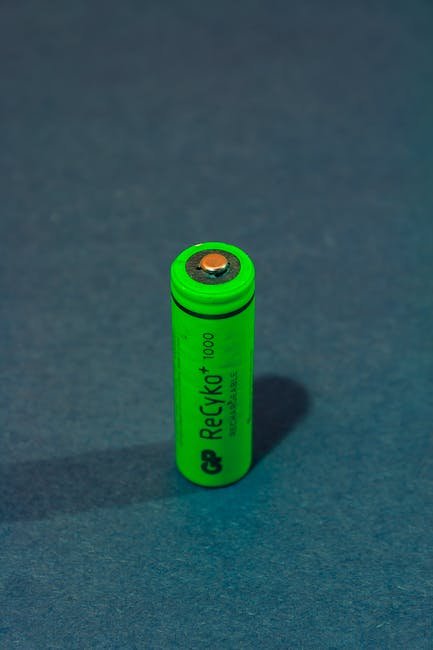
Eco-Friendly Devices: Saving Energy at Home
The Rise of Sustainable Living Through Technology
Modern life is inextricably linked to technology. From lighting our homes to cooking our meals and entertaining ourselves, we rely heavily on devices that consume energy. However, a growing awareness of environmental issues and the urgent need for sustainability has spurred the development and adoption of eco-friendly alternatives. These devices not only reduce our carbon footprint but can also lead to significant cost savings on energy bills. This article explores various eco-friendly devices, their functionalities, and how they contribute to a more sustainable and energy-efficient home.
Smart Thermostats: Intelligent Climate Control
Traditional thermostats maintain a constant temperature, often heating or cooling an empty house. Smart thermostats, on the other hand, leverage technology to learn your habits and adjust temperature settings accordingly. They use sensors to detect occupancy and can be programmed with schedules that reflect your daily routine.
- Learning Algorithms: Smart thermostats employ sophisticated algorithms to analyze your temperature preferences and optimize energy usage. After a period of observation, they can predict when you’ll be home, automatically adjusting the temperature to your liking while minimizing energy waste when you’re away.
- Remote Control via Mobile Apps: A key feature of smart thermostats is their ability to be controlled remotely via smartphone apps. This allows you to adjust the temperature from anywhere, ensuring your home is comfortable upon arrival and preventing unnecessary energy consumption when you’re delayed.
- Geofencing Technology: Some smart thermostats incorporate geofencing technology. This feature utilizes your smartphone’s GPS to create a virtual boundary around your home. When you cross this boundary, the thermostat adjusts the temperature automatically, ensuring optimal comfort and energy savings.
- Energy Consumption Reports: Smart thermostats often provide detailed reports on your energy usage, allowing you to track your savings and identify areas where you can further reduce consumption. This data-driven approach empowers you to make informed decisions about your heating and cooling habits.
- Integration with Smart Home Ecosystems: Many smart thermostats seamlessly integrate with other smart home devices and platforms, such as Amazon Alexa, Google Assistant, and Apple HomeKit. This allows for voice control and automation of your home’s climate control system.
LED Lighting: A Bright Future for Energy Efficiency
Incandescent light bulbs, a staple of homes for over a century, are notoriously inefficient, converting only a small fraction of the electricity they consume into light. LED (Light Emitting Diode) lighting represents a significant improvement, offering superior energy efficiency and a longer lifespan.
- Energy Efficiency: LEDs consume up to 75% less energy than incandescent bulbs and last significantly longer, often up to 25 times as long. This translates into substantial cost savings on energy bills and reduced replacement frequency.
- Lifespan: The extended lifespan of LEDs reduces waste and minimizes the environmental impact associated with manufacturing and disposal of light bulbs.
- Color Temperature Options: LEDs are available in a wide range of color temperatures, allowing you to customize the lighting in your home to suit your preferences and create the desired ambiance. From warm, inviting light to cool, energizing light, LEDs offer unparalleled flexibility.
- Dimming Capabilities: Many LEDs are dimmable, allowing you to further reduce energy consumption and create different lighting effects. Dimmers can also extend the lifespan of LED bulbs.
- Reduced Heat Output: Unlike incandescent bulbs, LEDs produce very little heat, reducing the load on your air conditioning system, particularly during the summer months.
- Smart LED Bulbs: Beyond basic LED bulbs, smart LED bulbs offer advanced features such as remote control, color changing capabilities, and integration with smart home ecosystems. These bulbs can be programmed to turn on and off at specific times, change color based on your mood, or even sync with music.
Energy-Efficient Appliances: Reducing Consumption at the Source
Major appliances, such as refrigerators, washing machines, and dishwashers, consume a significant portion of household energy. Choosing energy-efficient models can lead to substantial savings over the lifetime of the appliance.
- ENERGY STAR Certification: Look for the ENERGY STAR label when purchasing new appliances. This certification indicates that the appliance meets strict energy efficiency standards set by the U.S. Environmental Protection Agency (EPA). ENERGY STAR certified appliances consume less energy and water, saving you money and reducing your environmental impact.
- Refrigerators: Modern refrigerators are significantly more energy-efficient than older models. Features such as improved insulation, more efficient compressors, and automatic defrost cycles contribute to reduced energy consumption. Consider a model with adjustable shelves and drawers to optimize space and minimize food spoilage.
- Washing Machines: Front-loading washing machines are generally more energy-efficient than top-loading models, as they use less water and energy. Look for a model with a high Modified Energy Factor (MEF) and a low Water Factor (WF). The MEF measures the energy efficiency of the washing machine, while the WF measures the amount of water used per cycle.
- Dishwashers: Energy-efficient dishwashers use less water and energy to clean dishes. Look for a model with features such as soil sensors, which adjust the wash cycle based on the level of dirt, and a delay start function, which allows you to run the dishwasher during off-peak hours when electricity rates are lower.
- Ovens and Cooktops: Consider induction cooktops, which are more energy-efficient than traditional electric or gas cooktops. Induction cooktops heat the cookware directly, rather than heating the cooktop surface, resulting in faster heating and reduced energy waste. For ovens, look for models with convection cooking, which circulates hot air evenly throughout the oven, reducing cooking time and energy consumption.
Smart Plugs and Power Strips: Controlling Phantom Loads
Many electronic devices continue to draw power even when they are turned off. This “phantom load” or “vampire power” can account for a significant portion of household energy consumption. Smart plugs and power strips offer a convenient way to eliminate phantom loads.
- Smart Plugs: Smart plugs plug into existing outlets and allow you to control the power to connected devices remotely via a smartphone app. You can schedule devices to turn on and off at specific times, or simply turn them off when you’re not using them.
- Smart Power Strips: Smart power strips feature outlets that can be individually controlled, allowing you to turn off power to specific devices while leaving others on. Some smart power strips also have a “master control” outlet that automatically turns off power to all other outlets when the device plugged into the master outlet is turned off.
- Energy Monitoring: Some smart plugs and power strips provide detailed reports on energy usage, allowing you to identify devices that are consuming the most power and take steps to reduce their consumption.
- Voice Control Integration: Many smart plugs and power strips integrate with voice assistants such as Amazon Alexa and Google Assistant, allowing you to control your devices with simple voice commands.
Solar Chargers and Portable Power Banks: Harnessing Renewable Energy
For charging small electronic devices, such as smartphones, tablets, and portable speakers, consider using solar chargers and portable power banks. These devices harness renewable energy from the sun, reducing your reliance on grid electricity.
- Solar Chargers: Solar chargers use photovoltaic cells to convert sunlight into electricity. They can be used to directly charge small electronic devices or to charge a portable power bank.
- Portable Power Banks: Portable power banks store electricity that can be used to charge electronic devices on the go. They can be charged using a solar charger or a traditional wall charger.
- Environmental Benefits: Using solar chargers and portable power banks reduces your carbon footprint and promotes the use of renewable energy.
- Convenience: Solar chargers and portable power banks are convenient for travel, camping, and other outdoor activities where access to grid electricity may be limited.
Water-Saving Devices: Conserving a Precious Resource
While not directly related to energy consumption, water conservation is an important aspect of sustainable living. Reducing water usage can also indirectly reduce energy consumption, as it takes energy to pump, treat, and deliver water.
- Low-Flow Showerheads: Low-flow showerheads reduce water consumption without sacrificing water pressure. They use aerators to mix air with water, creating a satisfying shower experience while using less water.
- Low-Flow Toilets: Low-flow toilets use significantly less water per flush than traditional toilets. Look for models with the WaterSense label, which indicates that they meet strict water efficiency standards.
- Faucet Aerators: Faucet aerators restrict the flow of water from faucets, reducing water consumption and splashing.
- Smart Sprinkler Systems: Smart sprinkler systems use weather data and soil moisture sensors to adjust watering schedules, preventing overwatering and conserving water.
Embracing a Sustainable Future
Investing in eco-friendly devices is not just about saving money; it’s about making a conscious effort to reduce your environmental impact and contribute to a more sustainable future. By adopting these technologies and practices, you can create a more energy-efficient and environmentally friendly home for yourself and future generations. Remember to research thoroughly, compare products, and choose devices that best suit your needs and lifestyle. The collective impact of individual actions can make a significant difference in creating a healthier planet.
Leave a Reply