
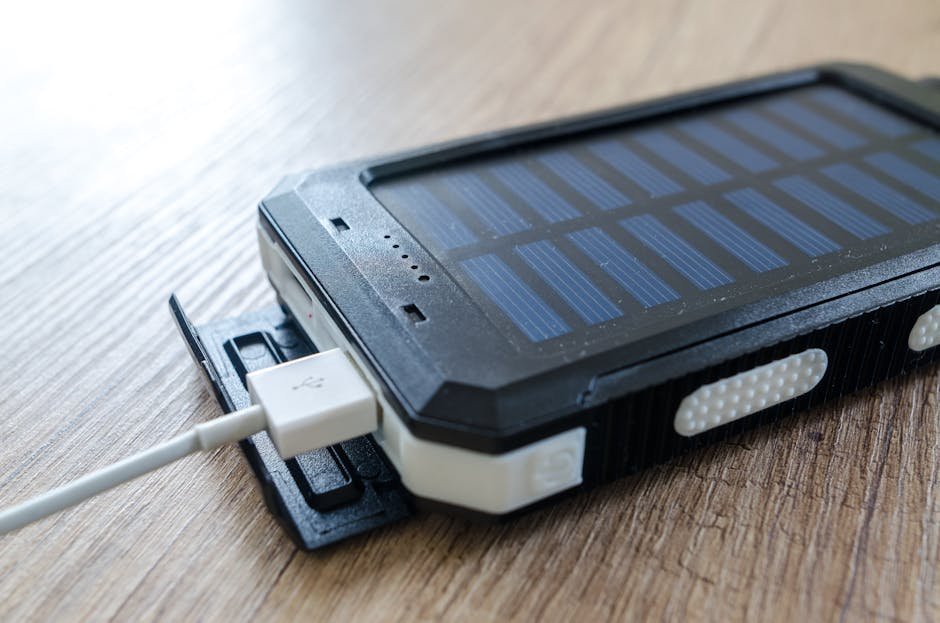
Reduce Your Tech Carbon Footprint at Home: Simple Tips
Our digital lives are undeniably intertwined with our daily routines. From smartphones and laptops to smart TVs and home automation systems, technology has become indispensable. However, this convenience comes with a hidden cost: a significant carbon footprint. The energy consumed by our devices, the manufacturing processes involved in their production, and the disposal methods contribute substantially to greenhouse gas emissions. Understanding and mitigating this impact is crucial for a sustainable future. Fortunately, reducing your tech carbon footprint at home doesn’t require drastic lifestyle changes. Simple, conscious adjustments to your habits and practices can make a significant difference.
Understanding the Tech Carbon Footprint:
Before diving into solutions, it’s important to understand where the carbon emissions associated with technology come from. The impact spans the entire lifecycle of a device:
- Manufacturing: This stage is particularly energy-intensive, requiring raw material extraction, transportation, and complex production processes. The creation of semiconductors, batteries, and other components necessitates significant energy consumption and often involves hazardous materials.
- Usage: The electricity consumed by devices while in use is a major contributor to their carbon footprint. This includes powering devices, charging them, and maintaining internet connections. Data centers, which power cloud services and internet infrastructure, also consume vast amounts of energy.
- Transportation: Shipping devices and components across the globe adds to the carbon footprint through fuel consumption and emissions from trucks, ships, and airplanes.
- Disposal (E-waste): Improper disposal of electronic waste leads to environmental pollution. Toxic materials like lead, mercury, and cadmium can leach into soil and water, harming ecosystems and human health. Recycling e-waste properly is crucial to recover valuable materials and prevent environmental damage.
Practical Steps to Reduce Your Tech’s Environmental Impact:
Now, let’s explore actionable strategies you can implement at home to minimize your tech carbon footprint:
1. Optimize Device Usage and Power Management:
- Unplug Idle Devices: Phantom power, also known as “vampire power,” is the electricity consumed by devices even when they are turned off. Unplug chargers, TVs, and other electronics when not in use to eliminate this waste. Using a smart power strip can automatically cut power to devices when they are not being actively used. These strips detect when a device is off and shut off power to its outlet, saving energy and reducing your electricity bill.
- Enable Power Saving Features: Most devices have built-in power-saving modes that reduce energy consumption. Enable these features on your laptops, smartphones, and TVs to optimize performance and extend battery life. This might involve dimming the screen, reducing processor speed, or automatically putting the device to sleep after a period of inactivity.
- Adjust Screen Brightness: Reduce screen brightness on your devices to minimize energy consumption. Lowering the brightness by just a small amount can significantly extend battery life and reduce overall power usage.
- Turn Off Unnecessary Features: Disable features like Bluetooth and Wi-Fi when not in use. These features consume power even when not actively connected to a device or network.
- Use Energy-Efficient Appliances: When purchasing new appliances, prioritize energy-efficient models that are Energy Star certified. These appliances use less energy than standard models, reducing your electricity bill and carbon footprint. Look for the Energy Star label on refrigerators, washing machines, dishwashers, and other appliances.
- Consider Renewable Energy Sources: Power your home with renewable energy sources such as solar panels or wind energy. This significantly reduces your reliance on fossil fuels and lowers your overall carbon footprint. If installing solar panels isn’t feasible, consider purchasing renewable energy credits (RECs) to offset your electricity consumption.
2. Extend the Lifespan of Your Devices:
- Proper Maintenance: Regular maintenance can extend the lifespan of your devices and prevent premature replacements. Clean your devices regularly to prevent overheating and dust accumulation, which can affect performance. Protect your devices from physical damage by using cases and screen protectors.
- Repair Before Replacing: Before buying a new device, consider repairing your existing one. Many common issues, such as cracked screens or malfunctioning batteries, can be repaired at a fraction of the cost of a new device. Support local repair shops and consider learning basic repair skills yourself. The “Right to Repair” movement advocates for legislation that makes it easier for consumers and independent repair shops to access parts, tools, and information needed to fix their devices.
- Avoid Frequent Upgrades: Resist the temptation to upgrade your devices every year. Many upgrades offer only incremental improvements, and the environmental impact of manufacturing and disposing of devices adds up quickly. Only upgrade when your current device is no longer meeting your needs or is beyond repair.
- Consider Refurbished Devices: When you do need to upgrade, consider purchasing a refurbished device. Refurbished devices are pre-owned devices that have been inspected, repaired, and restored to working condition. They are typically sold at a lower price than new devices and come with a warranty. Buying refurbished reduces the demand for new devices and helps to extend the lifespan of existing ones.
3. Responsible E-waste Management:
- Proper Recycling: Never throw electronic devices in the trash. E-waste contains hazardous materials that can contaminate the environment. Instead, recycle your old devices through certified e-waste recycling programs. Many manufacturers and retailers offer take-back programs for old electronics.
- Data Security: Before recycling or donating a device, ensure that all personal data has been securely erased. Use a data wiping program to permanently delete sensitive information from hard drives and other storage devices.
- Donating Usable Devices: If your old device is still in working condition, consider donating it to a charity or organization that can use it. This extends the lifespan of the device and provides access to technology for those who may not be able to afford it.
- Research E-waste Recycling Programs: Investigate the credibility and sustainability practices of e-waste recycling programs. Some programs may not properly handle e-waste, leading to environmental damage. Look for programs that are certified to meet industry standards and that prioritize responsible recycling practices.
4. Optimize Your Digital Habits:
- Reduce Data Consumption: Streaming videos and downloading large files consume significant amounts of energy. Reduce your data consumption by streaming in lower resolutions, downloading files only when necessary, and using Wi-Fi instead of cellular data whenever possible.
- Unsubscribe from Unnecessary Emails: Unsubscribe from email newsletters and marketing emails that you no longer read. Storing and processing emails requires energy, and reducing the number of emails you receive can help to lower your digital carbon footprint.
- Use Cloud Storage Wisely: While cloud storage offers convenience and accessibility, it also consumes energy in data centers. Use cloud storage wisely by only storing essential files and deleting unnecessary data. Consider using local storage options for frequently accessed files.
- Optimize Search Engine Usage: Be specific in your search queries to find information quickly and efficiently. Avoid multiple searches and refine your search terms to minimize the amount of data transferred.
- Use Dark Mode: Enable dark mode on your devices and apps to reduce screen brightness and save energy. Dark mode uses less power than light mode, especially on devices with OLED screens.
5. Informed Purchasing Decisions:
- Consider the Environmental Impact of Products: Before purchasing a new device, research its environmental impact. Look for information on the manufacturer’s sustainability practices, the materials used in the device, and its energy efficiency.
- Choose Durable and Repairable Devices: Opt for devices that are designed to be durable and repairable. Avoid devices that are glued together or difficult to disassemble, as these are more likely to end up in landfills.
- Support Companies Committed to Sustainability: Support companies that are committed to sustainability and ethical manufacturing practices. Look for companies that prioritize environmental protection, fair labor practices, and responsible sourcing of materials.
- Buy Less: The most effective way to reduce your tech carbon footprint is to buy less stuff. Before purchasing a new device, ask yourself if you really need it. Consider borrowing or renting devices for occasional use instead of buying them.
6. Optimize Your Internet and Home Network:
- Choose an Energy-Efficient Router: When replacing your router, choose an energy-efficient model that is designed to consume less power. Look for routers with features like automatic power down and energy-saving modes.
- Optimize Your Wi-Fi Network: Optimize your Wi-Fi network to improve signal strength and reduce data transmission errors. This can help to reduce energy consumption by ensuring that devices are not constantly searching for a signal.
- Use Wired Connections When Possible: Wired connections are more energy-efficient than wireless connections. Use wired connections for devices that require a stable and high-speed internet connection, such as desktop computers and gaming consoles.
- Turn Off Your Router When Not in Use: Turn off your router when you are not using the internet. This can save energy and reduce your electricity bill. Consider using a timer to automatically turn off your router at night.
By implementing these simple tips, you can significantly reduce your tech carbon footprint at home and contribute to a more sustainable future. Every small action counts, and together we can make a difference. Remember that being mindful of your consumption habits, choosing sustainable options, and properly managing e-waste are all crucial steps in minimizing the environmental impact of technology.
Leave a Reply