
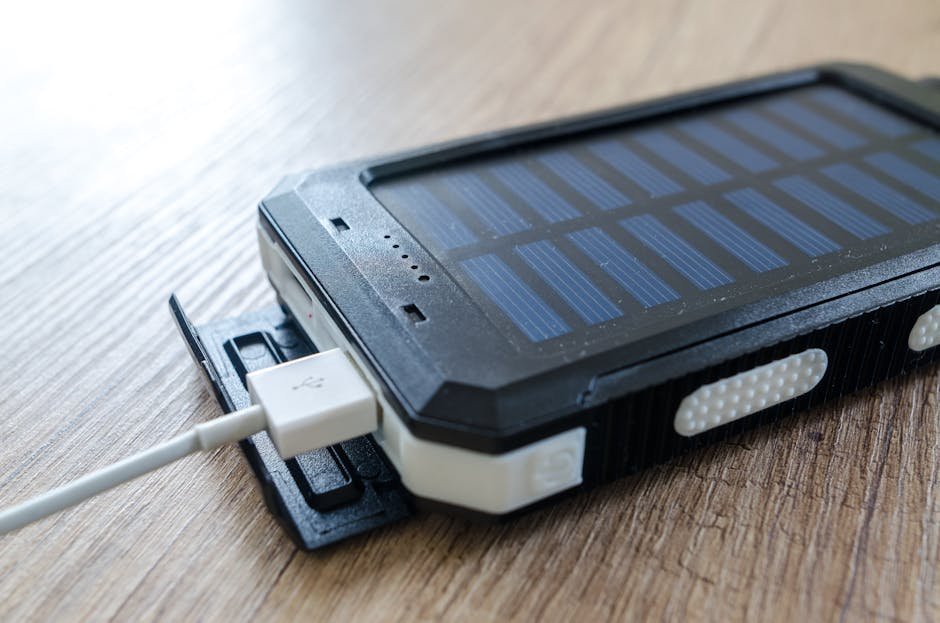
Solar-Powered Wearable Devices: Your Step-by-Step User Guide
Choosing the Right Solar-Powered Wearable for Your Needs
The allure of harnessing the sun’s energy to power your wearable devices is undeniable. It promises extended battery life, reduced reliance on traditional charging methods, and a more sustainable approach to technology consumption. However, navigating the landscape of solar-powered wearables requires careful consideration. This guide provides a step-by-step approach to help you choose the right device for your specific needs and lifestyle.
Step 1: Define Your Primary Use Case:
Before diving into specific models, ask yourself: what do you primarily need this wearable for? Are you a fitness enthusiast tracking your workouts? A hiker venturing into remote areas? A traveler seeking a backup power source? Or simply someone looking for a more eco-friendly everyday smartwatch?
- Fitness Trackers: These devices often prioritize step counting, heart rate monitoring, and activity tracking. Solar integration can significantly extend their battery life between charges, especially for outdoor activities. Look for models with larger solar panels integrated into the strap or watch face.
- Smartwatches: Smartwatches offer a broader range of features, including notifications, app access, and GPS. Solar-powered smartwatches usually have a supplementary solar charging feature rather than relying solely on solar energy. Consider the balance between solar charging capability and the device’s overall feature set.
- Outdoor and Adventure Devices: These are designed for rugged use and often include GPS, altimeters, barometers, and specialized features like topographic maps. Solar charging is a significant advantage for extended expeditions where access to power outlets is limited. Prioritize devices with efficient solar panels and robust battery life.
- Specialized Devices: Niche devices like solar-powered hearing aids or medical monitors require careful consideration of power consumption, solar panel efficiency, and specific medical certifications. Consult with healthcare professionals before making a purchase.
Step 2: Understanding Solar Panel Technology and Efficiency:
The effectiveness of a solar-powered wearable hinges on the technology and efficiency of its solar panel. Different types of solar panels exist, each with its own characteristics:
- Amorphous Silicon (a-Si): These are thin-film panels that are relatively inexpensive to produce and can be flexible. However, they are less efficient than crystalline silicon panels, requiring a larger surface area to generate the same amount of power. They also degrade more quickly over time.
- Polycrystalline Silicon (Poly-Si): This type is more efficient than amorphous silicon but still less efficient than monocrystalline silicon. They are more durable and cost-effective, making them a common choice for wearables.
- Monocrystalline Silicon (Mono-Si): These are the most efficient type of solar panel, converting a higher percentage of sunlight into electricity. They are also the most expensive. Monocrystalline panels are often used in high-end solar-powered wearables where performance is paramount.
- Perovskite Solar Cells: This emerging technology offers the potential for high efficiency and low manufacturing costs. While still in development, perovskite solar cells are being explored for integration into flexible and lightweight wearable devices.
Key Factors Affecting Solar Panel Efficiency:
- Surface Area: Larger solar panels can capture more sunlight. Consider the size of the panel relative to the overall device size and your wearing preferences.
- Sunlight Intensity: The amount of sunlight available directly affects the power generated. Devices will charge faster in direct sunlight than in shaded areas.
- Angle of Incidence: The angle at which sunlight strikes the panel influences its efficiency. Ideally, the panel should be perpendicular to the sun’s rays.
- Temperature: Solar panel efficiency decreases as temperature increases. Some devices incorporate heat dissipation mechanisms to mitigate this effect.
- Panel Degradation: Over time, the efficiency of solar panels can degrade due to exposure to UV radiation, humidity, and temperature fluctuations. Choose devices with durable panels and protective coatings.
Step 3: Evaluating Battery Capacity and Power Consumption:
While solar charging provides supplemental power, the device’s battery capacity and power consumption are crucial factors determining its overall usability.
- Battery Capacity: Measured in milliampere-hours (mAh), battery capacity indicates the amount of energy the battery can store. A higher mAh rating generally translates to longer battery life.
- Power Consumption: Different features consume varying amounts of power. GPS tracking, heart rate monitoring, and screen brightness are among the most power-intensive functions.
- Typical Battery Life: Manufacturers usually provide estimated battery life under various usage scenarios. Pay attention to these figures and consider how they align with your intended use.
- Power Saving Modes: Many solar-powered wearables offer power-saving modes that disable certain features to extend battery life. Understand the functionality of these modes and how they impact performance.
- Charging Time (Solar and Conventional): Assess the time required to fully charge the device using both solar and conventional methods. This will give you a realistic expectation of charging performance under different conditions.
Step 4: Assessing Design, Durability, and Comfort:
A solar-powered wearable is not just a technological gadget; it’s an accessory you’ll wear regularly. Design, durability, and comfort are essential considerations.
- Ergonomics: The device should fit comfortably on your wrist or body without causing discomfort or irritation. Consider the weight, size, and strap material.
- Durability: Look for devices with rugged construction and water resistance. Consider the materials used in the case and screen, and check for certifications like IP ratings (Ingress Protection).
- Aesthetics: Choose a device that aligns with your personal style and preferences. Solar panels can sometimes impact the overall aesthetics, so find a balance between functionality and appearance.
- Display Quality: The screen’s brightness, clarity, and readability are crucial, especially in direct sunlight. Consider the display technology (e.g., LCD, AMOLED) and its impact on power consumption.
- User Interface: The device’s user interface should be intuitive and easy to navigate. Consider the size and responsiveness of the touchscreen, if applicable.
Step 5: Examining Features and Functionality:
Beyond basic solar charging, evaluate the specific features and functionalities offered by the wearable.
- Connectivity: Does the device support Bluetooth for connecting to your smartphone or other devices? Does it have Wi-Fi or cellular connectivity for independent operation?
- Sensors: Consider the range of sensors included, such as GPS, heart rate monitor, accelerometer, gyroscope, altimeter, barometer, and compass.
- Notifications: Can the device display notifications from your smartphone, such as calls, messages, and app alerts?
- App Integration: Does the device integrate with popular fitness tracking apps or other services you use regularly?
- Customization: Can you customize the watch face, widgets, and settings to suit your preferences?
- Data Storage: Consider the amount of internal storage available for storing data, such as workout logs and music.
Step 6: Comparing Brands and Models:
Once you have a clear understanding of your needs and the key features to consider, research different brands and models of solar-powered wearables.
- Read Reviews: Consult online reviews from reputable sources to get unbiased feedback on different devices.
- Compare Specifications: Create a spreadsheet to compare the specifications of different models side-by-side, including battery capacity, solar panel efficiency, features, and price.
- Visit Retail Stores: If possible, visit a retail store to try on different wearables and get a feel for their size, weight, and ergonomics.
- Consider Brand Reputation: Choose reputable brands with a proven track record of producing quality wearable devices.
- Warranty and Support: Check the warranty terms and customer support options offered by the manufacturer.
Step 7: Understanding Limitations and Expectations:
It’s crucial to have realistic expectations about the performance of solar-powered wearables.
- Solar Charging is Supplemental: Don’t expect solar charging to completely eliminate the need for conventional charging. It primarily serves as a supplement to extend battery life.
- Sunlight is Essential: The effectiveness of solar charging depends on the availability of sunlight. Performance will be significantly reduced in cloudy or shaded environments.
- Charging Time Varies: Solar charging time can vary significantly depending on sunlight intensity, panel angle, and other factors.
- Battery Degradation Over Time: All batteries degrade over time, including those in solar-powered wearables. You may need to replace the battery after a few years of use.
- Environmental Impact: While solar-powered wearables offer a more sustainable alternative to traditional devices, they still have an environmental impact associated with manufacturing and disposal.
By following these steps, you can make an informed decision and choose a solar-powered wearable that meets your specific needs and provides a satisfying user experience. Remember to prioritize your primary use case, understand the technology behind solar panels and batteries, and carefully evaluate the design, features, and limitations of different devices. Embrace the power of the sun and enjoy the extended battery life and sustainable benefits of your new solar-powered wearable.
Leave a Reply