
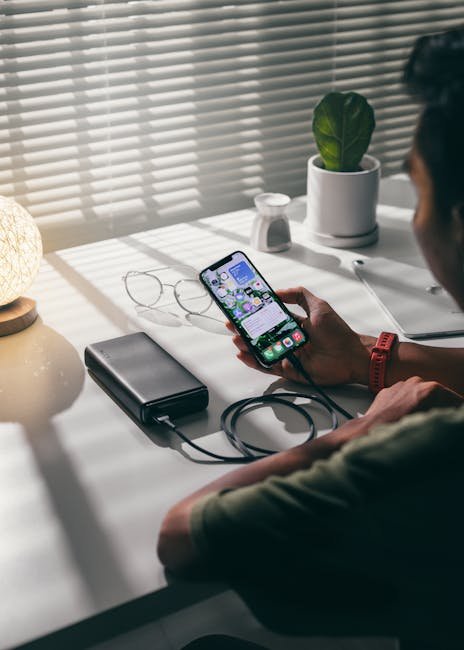
Top-Rated Green Gadgets for Professionals: Productivity Meets Sustainability
Solar-Powered Charging Solutions for the Mobile Workforce
The modern professional is tethered to their devices. Smartphones, tablets, and laptops are essential tools, but their battery life can be a constant source of anxiety, especially when traveling or working remotely. Solar-powered chargers offer a sustainable and reliable alternative to traditional outlets.
-
Goal Zero Yeti 200X Portable Power Station: While technically a power station, the Yeti 200X, when paired with Goal Zero’s Boulder solar panels, becomes a robust solar charging solution. Its lightweight design (just 5 pounds) and multiple output ports (USB-A, USB-C, AC) make it ideal for charging laptops, cameras, and other essential devices. The Boulder panels, available in various sizes, offer efficient solar energy capture. Professionals in fields like photography, videography, and outdoor research will appreciate its off-grid power capabilities. Durability is key, and the Yeti series is known for its rugged construction. The trade-off is the initial investment, which is higher than basic power banks, but the long-term sustainability and versatility justify the cost for many. Consider the panel wattage based on your power consumption needs – a higher wattage panel will charge the Yeti faster.
-
BigBlue 3 USB Solar Charger: A more portable and budget-friendly option, the BigBlue solar charger is perfect for backpacking or casual outdoor use. Its three USB ports allow simultaneous charging of multiple devices. The charger folds into a compact package, making it easy to carry. While not as powerful as the Goal Zero, the BigBlue is sufficient for charging smartphones, tablets, and smaller USB-powered devices. Its efficiency depends on direct sunlight, and charging times will vary accordingly. It’s an excellent choice for professionals who want a backup charging solution during outdoor events or travel, prioritizing portability and affordability over raw power output. It’s also water-resistant, adding to its durability.
-
Anker PowerCore Solar 10000: Anker’s reputation for quality extends to their solar-powered offerings. The PowerCore Solar 10000 combines a high-capacity power bank with a small solar panel. While the solar charging capability is primarily intended as a backup, it can provide a trickle charge in emergency situations. The power bank itself offers fast charging capabilities and is compatible with a wide range of devices. It is not as efficient as dedicated solar panels, but it serves as a useful all-in-one solution for professionals who want a reliable power bank with a solar charging safety net. The PowerCore Solar is more focused on providing a large battery capacity with solar as a supplemental charging option.
Sustainable Office Supplies and Accessories
Traditional office supplies often contribute to environmental waste. Switching to eco-friendly alternatives reduces your carbon footprint and promotes a more sustainable workplace.
-
Sprout Plantable Pencils: These pencils are made from sustainable wood and contain a seed capsule at the end. Once the pencil becomes too short to use, plant the stub, and it will grow into herbs, flowers, or vegetables. It’s a tangible reminder of sustainability. While the writing experience might be slightly different compared to high-end graphite pencils, the novelty and environmental benefits make them a conversation starter and a sustainable choice for note-taking. The plantable aspect also provides a sense of fulfillment beyond simply consuming a product. Choose seed varieties appropriate for your climate.
-
Decomposition Notebooks by Michael Roger: These notebooks are made from 100% post-consumer recycled paper. The paper is smooth and suitable for writing with various types of pens. The notebooks are available in a variety of sizes and styles, including lined, unlined, and graph paper. While recycled paper can sometimes be rough, Decomposition notebooks maintain a high-quality writing experience. The covers are also printed with soy-based inks, further minimizing environmental impact. The wide availability and affordability make them an easy switch from conventional notebooks.
-
Bamboo Keyboard and Mouse Sets: Bamboo is a rapidly renewable resource, making it an eco-friendly alternative to plastic. Bamboo keyboards and mice offer a unique aesthetic and a more sustainable construction. Look for sets that are made from sustainably harvested bamboo and have a durable build. While bamboo can be more susceptible to scratches than plastic, proper care will ensure longevity. The tactile feel of bamboo also adds a premium feel. Consider the ergonomic design for comfortable extended use. Wireless options are also available for a cleaner workspace.
Eco-Friendly Tech Accessories and Peripherals
Beyond essential gadgets, eco-friendly tech accessories contribute to a greener digital lifestyle.
-
House of Marley Headphones: House of Marley is committed to sustainability, using responsibly sourced materials like bamboo, recycled aluminum, and REWIND fabric (made from recycled plastic bottles) in their headphones. Their headphones offer a good balance of audio quality and eco-consciousness. While the sound quality may not rival high-end audiophile brands, House of Marley headphones deliver a satisfying listening experience for everyday use. The emphasis on sustainable materials and ethical manufacturing makes them a compelling choice for environmentally conscious professionals. Different models cater to various needs, from over-ear headphones for immersive listening to earbuds for portability.
-
Nimble Charging Cables: Nimble focuses on creating tech accessories from recycled materials. Their charging cables are made from recycled plastic bottles and feature packaging made from recycled paper. They also offer a recycling program for old tech accessories. The cables are designed for durability and are available in various lengths and connector types. While recycled materials can sometimes compromise durability, Nimble cables are designed to withstand everyday wear and tear. The company’s commitment to sustainability extends beyond the product itself, encompassing packaging and end-of-life recycling.
-
BioCase Phone Cases: BioCase offers phone cases made from biodegradable materials like wheat straw and plant-based polymers. These cases provide protection for your phone while minimizing environmental impact. While not as durable as heavy-duty plastic cases, BioCase cases offer adequate protection for everyday use. They decompose more quickly than conventional plastic cases in a composting environment. The availability of different colors and designs allows for personalization. Consider the specific level of protection required based on your usage habits.
Energy-Efficient Home Office Equipment
Energy consumption in the home office can be significant. Choosing energy-efficient equipment reduces your electricity bill and lowers your environmental impact.
-
Energy Star Certified Monitors: Monitors are a major energy consumer in the home office. Energy Star certified monitors meet strict energy efficiency guidelines. Look for monitors with LED backlighting and automatic brightness adjustment features. While the initial cost may be slightly higher, the long-term energy savings can be substantial. Energy Star certification ensures that the monitor consumes less power in both active and standby modes. Consider the screen size and resolution based on your productivity needs.
-
Refurbished Laptops and Desktops: Purchasing refurbished laptops and desktops is a great way to reduce electronic waste and save money. Refurbished devices are thoroughly tested and restored to like-new condition. They often come with warranties. While the performance may not be on par with the latest models, refurbished devices are more than capable for most office tasks. Buying refurbished reduces the demand for new electronics, conserving resources and minimizing pollution associated with manufacturing. Ensure the device comes with a warranty for peace of mind.
-
LED Desk Lamps: Replace traditional incandescent or halogen desk lamps with LED lamps. LED lamps consume significantly less energy and have a longer lifespan. Look for lamps with adjustable brightness and color temperature settings. While LED lamps may have a higher initial cost, their energy efficiency and longevity make them a cost-effective choice in the long run. Adjustable brightness and color temperature allow you to customize the lighting to suit your needs. Consider the lamp’s design and aesthetic to complement your workspace.
Water Conservation Gadgets for the Office
Conserving water in the workplace is just as important as conserving energy.
-
Filtered Water Pitchers with Sustainable Filters: Replace bottled water with filtered water from a pitcher using sustainable filters. Some filters are made from coconut shell carbon and other natural materials. While filtered water pitchers require regular filter replacements, they reduce the consumption of single-use plastic bottles. Choose a pitcher with a filter that is certified to remove contaminants effectively. Consider the filter replacement frequency and cost.
-
Low-Flow Faucet Aerators: These simple devices can be easily installed on existing faucets to reduce water flow without sacrificing water pressure. Low-flow aerators are inexpensive and can save a significant amount of water over time. They’re an easy and cost-effective way to conserve water in the office kitchen or bathroom. Ensure the aerator is compatible with your faucet.
-
Water-Efficient Coffee Makers: Many coffee makers use excessive amounts of water. Look for coffee makers that are designed for water efficiency. Some models have features like adjustable brew strength and single-cup brewing options to minimize water waste. While coffee maker efficiency may not be the primary purchasing factor, choosing a water-efficient model contributes to overall water conservation efforts. Consider the brewing capacity and other features based on your office’s coffee consumption habits.
Leave a Reply